
cut/paste : cut/paste : cut/paste : cut/paste
Engelbert, Burroughs, and the cut-up of post-internet reality
On April 30th I gave a talk at Giorno Poetry Systems at 222 Bowery as part of an event for the artist Mark Leckey. This is a version of that talk. A few minor notes:
If you don’t know about GPS, you should look it up. Most relevant: they are located at “The Bunker,” a historical location once owned by beat poet John Giorno and home to William S. Burroughs (whose bedroom has been preserved since his death).
There are portions of this talk that draw text from both my book (The Unseen Internet) and from a forthcoming journal article in the Journal of Cinema and Media Studies, titled “Conjuring a Magical Medium; or, How to Rip a Hole in the Fabric of Reality.”
This presentation was originally titled “how to rip a hole in the fabric of reality.” I’ve re-titled it to avoid confusion with the journal article.
act 1: cut/paste
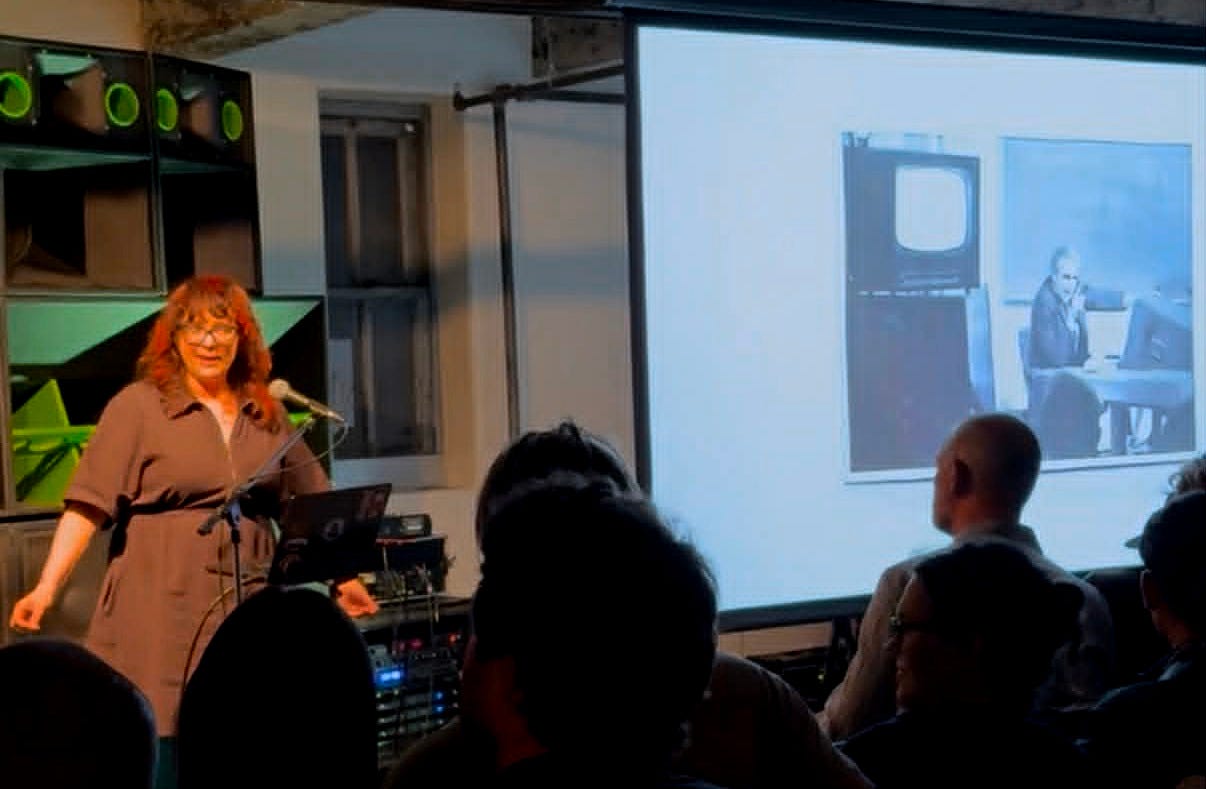
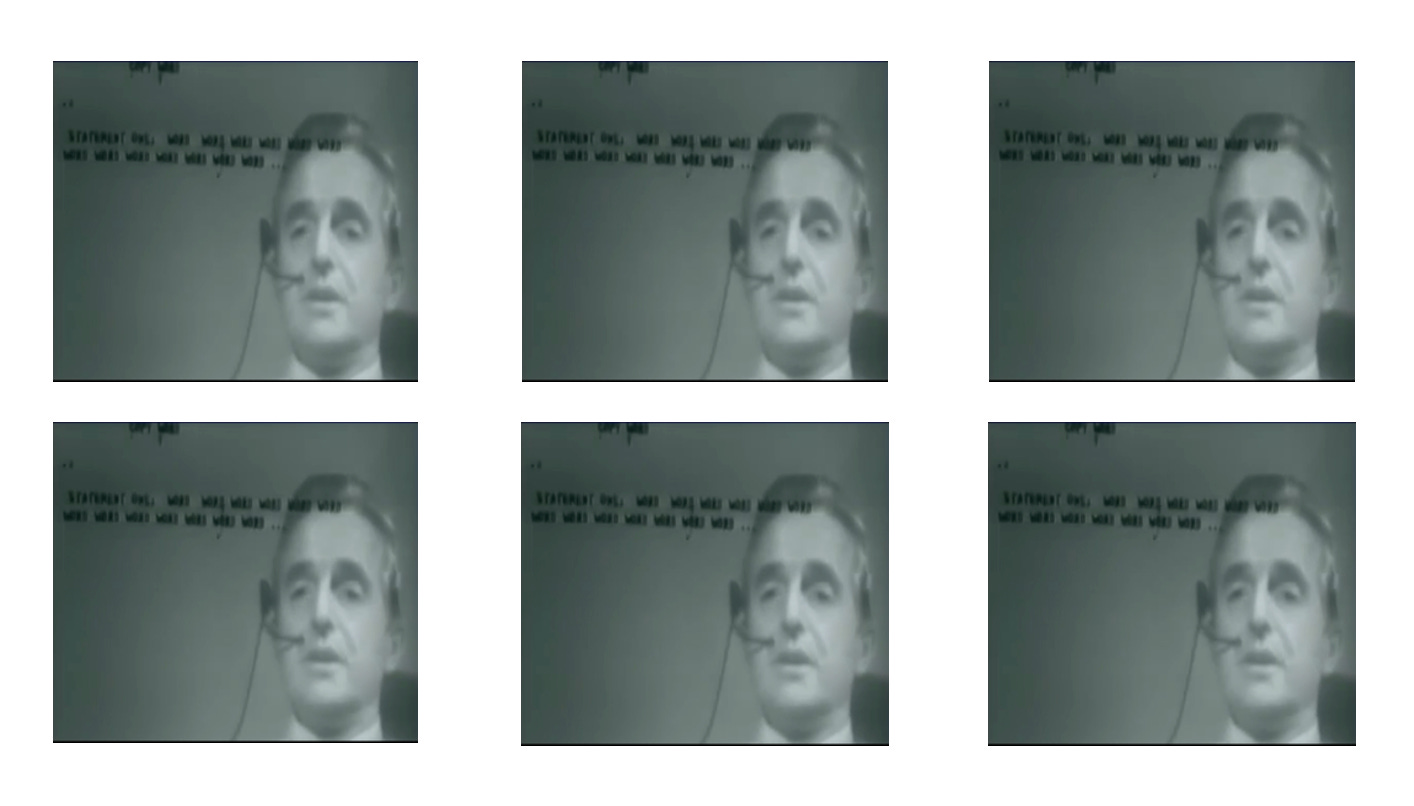
In 1968, Doug Engelbart gave a demonstration for a project he referred to as “The Augmentation of Human Intellect.” In it, he launched the era of personal computing with the first exhibition of screens, graphics, and hypertext.
It is known as “The Mother of All Demos.”
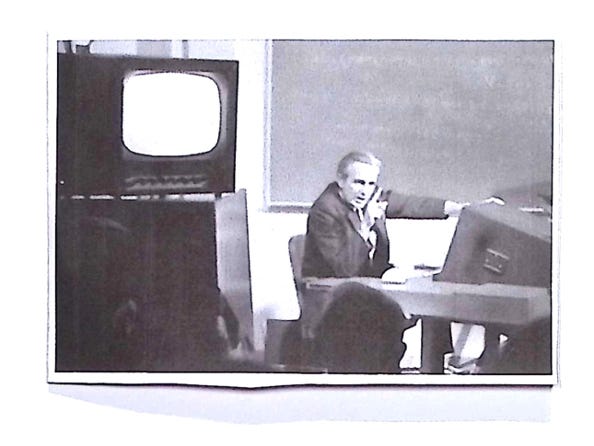
During his 90 minutes, Engelbart demonstrated the first use of CUT and PASTE.
Using his primitive word processor, he highlighted, cut, copied, and pasted text from one place to the next.
The phrase that he chose to cut-copy-paste was
word
word
word
word
While Engelbart didn’t use it for the demo, a portion of his original work was processed on the Burroughs 220 computer made by The Burroughs Corporation.1
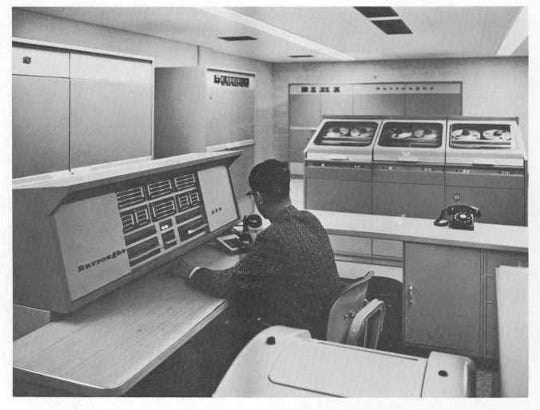
The Burroughs Corporation, of course, connects this back to Giorno Poetry Systems. As many of you may know, William S. Burrough’s inheritance—his fuck around money, so to speak—was from his family’s legacy in computing and calculating.
As it happens, not unlike Engelbart, William S. Burroughs was also known for his sensibilities towards CUT and PASTE.
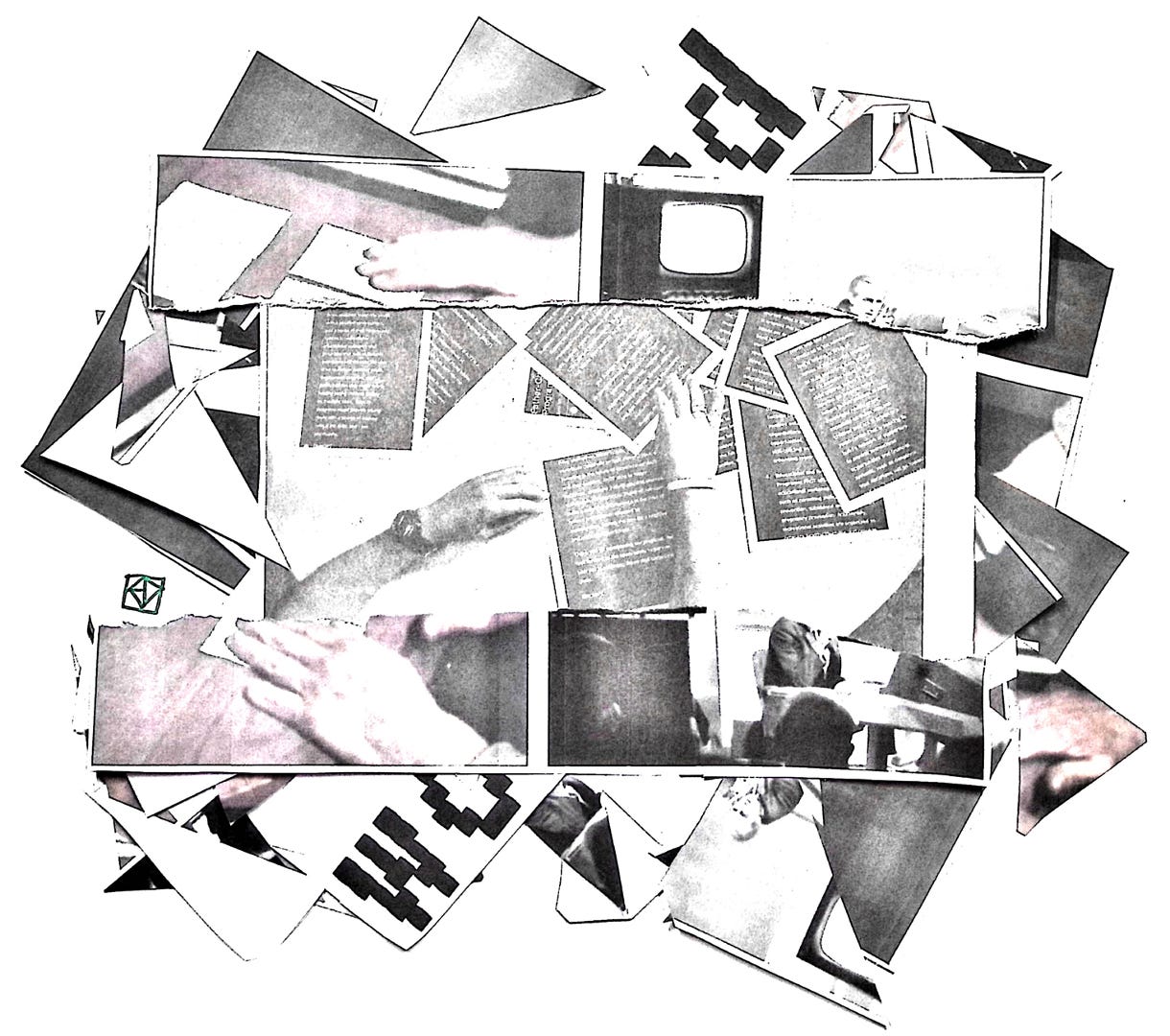
About ten years prior, Burroughs and his collaborator Brion Gysin first developed the cut-up technique, where they discovered that by cutting and pasting materials from newspapers, they could create strange, unsettling, and pleasurable juxtapositions.
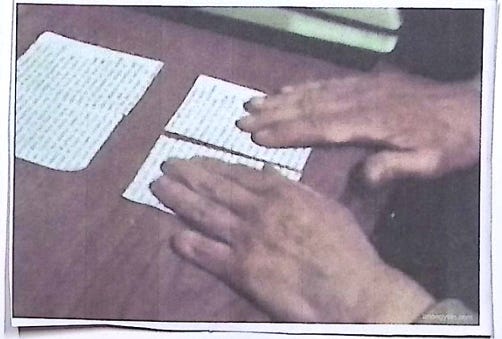
Of course, Burroughs and Gysin were doing art. But they also considered their methodology a kind of magic: equal parts divination and manifestation.
As Burroughs famously said of his method:
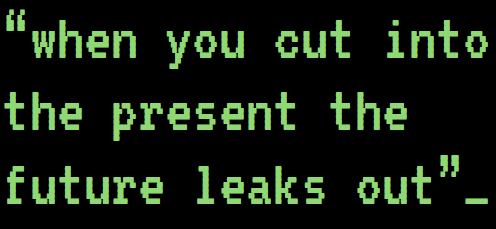
As time moved on, their cut-ups transformed into multimedia. The pair, alongside other collaborators such as Antony Balch used CUT and PASTE to foretell the future and (sometimes) to try to change it.
Of course, none of this is causal.
It was correlation.
Engelbart wasn’t trying to invoke a magical outcome and Burroughs (despite his family name) wasn’t trying to innovate computing.
Yet, there is a satisfying synchronicity here: a vibing between past, present, and future.
We are all here, now, in 2026.
We exist within a series of screens, not unlike the ones that Engelbart demoed in his “Mother of All Demos.”
They have, as he promised, allowed for the augmentation of human intellect.
In the beginning, there was the
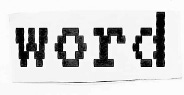
And then the word was written down, and it changed our brains forever.
And then it was printed and it changed us again.
And then the word was cut and copied.
And then, it was pasted:
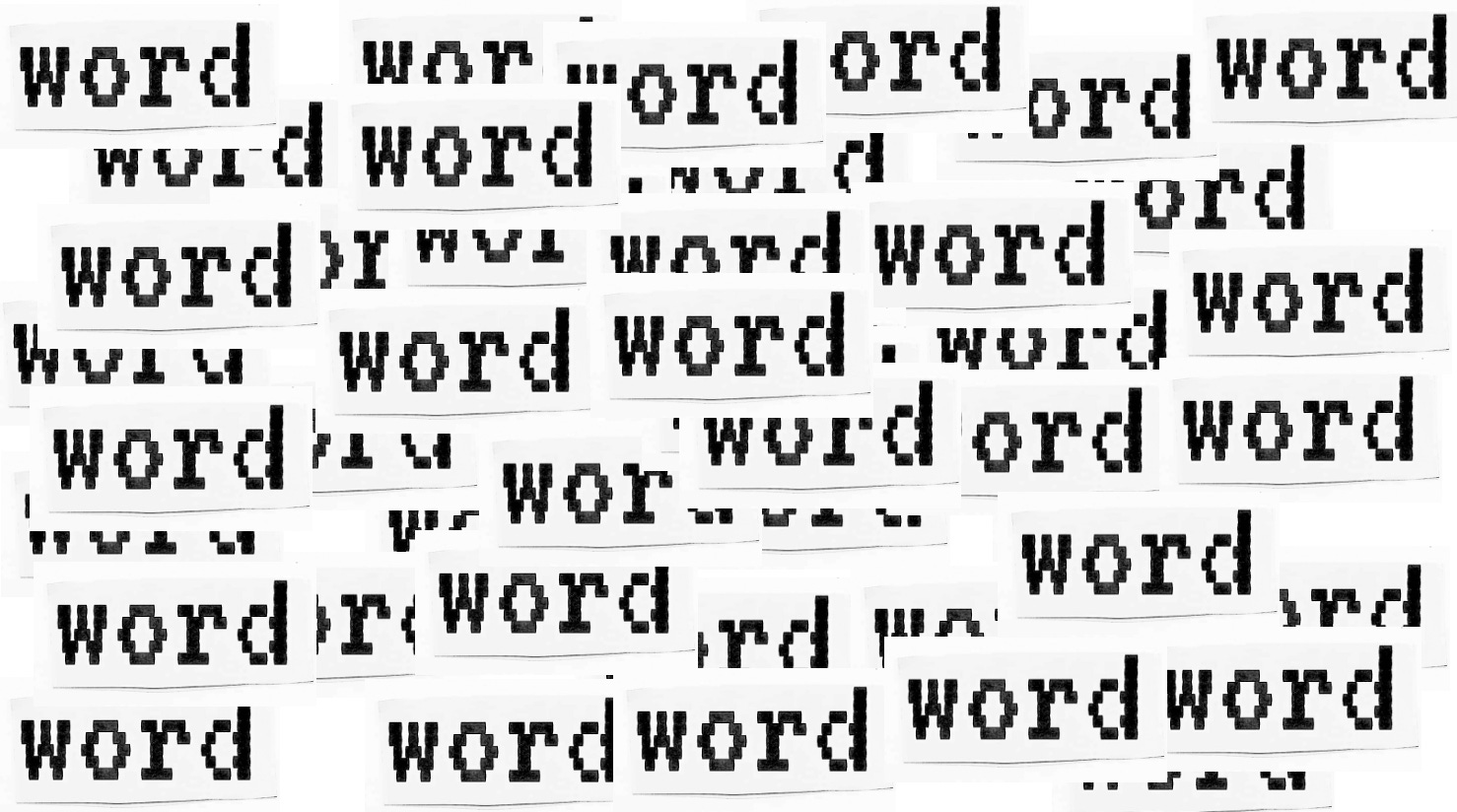
And then we copied and pasted everything from words, to gifs, to memes, to identities.
The act of cutting and pasting is an alchemical one that remaps how we perceived the realities on Engelbart’s screens in 1968 and continues to remap how we perceive our screen-based realities in 2026.
act 2: technopagans
The word magic is uncomfortable in relation to our technologies. We often like to think that technological innovation is born out of staunch atheism. But the histories of our technologies (and of our magics) don’t really bear this out.
Because… once upon a time… in the mythical 1990s… there were Technopagans.
And they sounded like this:
That, by the way, was Alison Bailey Kennedy in 1991. Kennedy, primarily known by her nom de plume “Queen Mu,” was the publisher and “domineditrix” for Mondo 2000, the first cyberculture magazine (beating Wired out by a solid four years).
But actually, I’m getting ahead of myself. To make this argument I need to take you back a bit further.
Back to the mid-1800s…
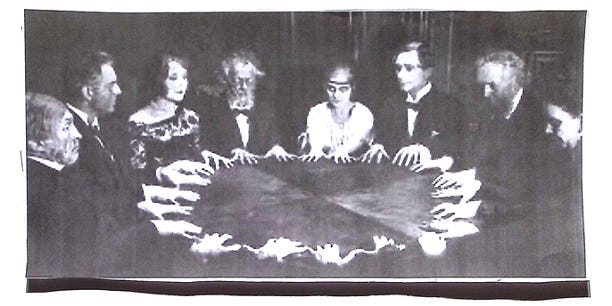
There’s a long running argument in media studies, a demonstration of corresponding discourses between magical methodologies and emerging communication technologies. For instance, Jeffrey Sconce points to the parallels between spiritualist table rapping and telegraphy.2
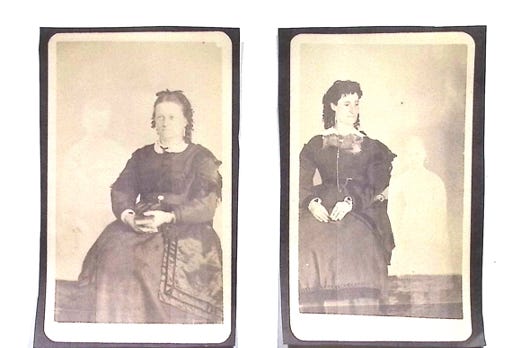
Similarly, Tom Gunning documents the 19th century use of “spirit photography”—using double exposure to capture phantom-like images to suggest a supernatural, otherworldly presence, aligned with the photographic subjects.
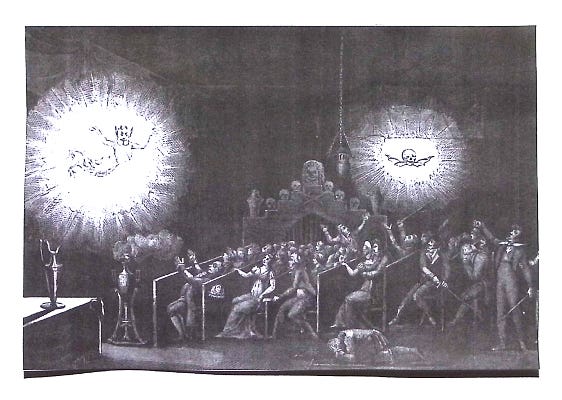
Early film traditions, too, were built off an often-playful desire for magic, with the use of practical effects and phantasmagoria.
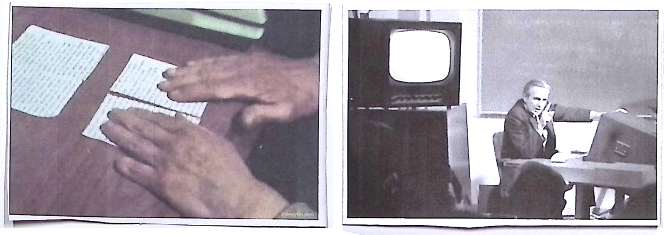
For that matter, Burroughs and Gysin’s cut/paste methods and Engelbart’s cut/paste methods could be understood as existing within a parallel discourse.
At moments when new communication technologies seem as though they are going to burst through culture and change everything, our mystical beliefs are often in lock step. Similar processes to different ends.
(Or maybe the same ends?)
And while it’s easy to dismiss occult beliefs as quaint superstitions of the past, esotericism continued to thrive quietly in Western culture through the 20th century, diffused into mass culture, taking the form of what is often referred to as “occulture.”
During the 1970s there were a western revival of occultism.
That revival was a fluid one, often cutting and pasting elements from New Age, the transformation of witchcraft into Wicca, indigenous forms of mysticism, the resurrection of Hermetic organizations, the creation of Chaos Magick, and the invoking of the sometimes jokey (sometimes not!) Discordianism.
In other words, if occult beliefs echoed into the communication technologies of the 1800s, then it also did at the moment that the internet transformed from being a niche hobbyist activity into being a cultural imperative.
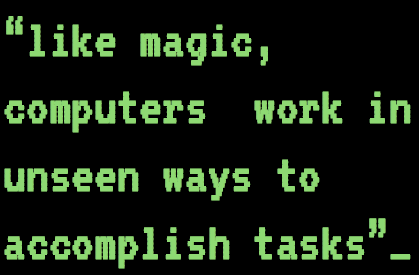
In the 1980s, Margot Adler performed a survey discovering that the most common career for self-described “Neopagans” was in computing. Her interview subjects saw a correspondence between the two, often suggesting that the symbolic processes inherent in programming functions similarly to magical thinking.
Adler’s participants explain:
And, of course, the internet didn’t just appear out of cold war military paranoia. Silicon Valley was born out of the pro-psychedelic 60s and 70s counterculture of the Bay Area.3
That counterculture was often influenced by occulture.
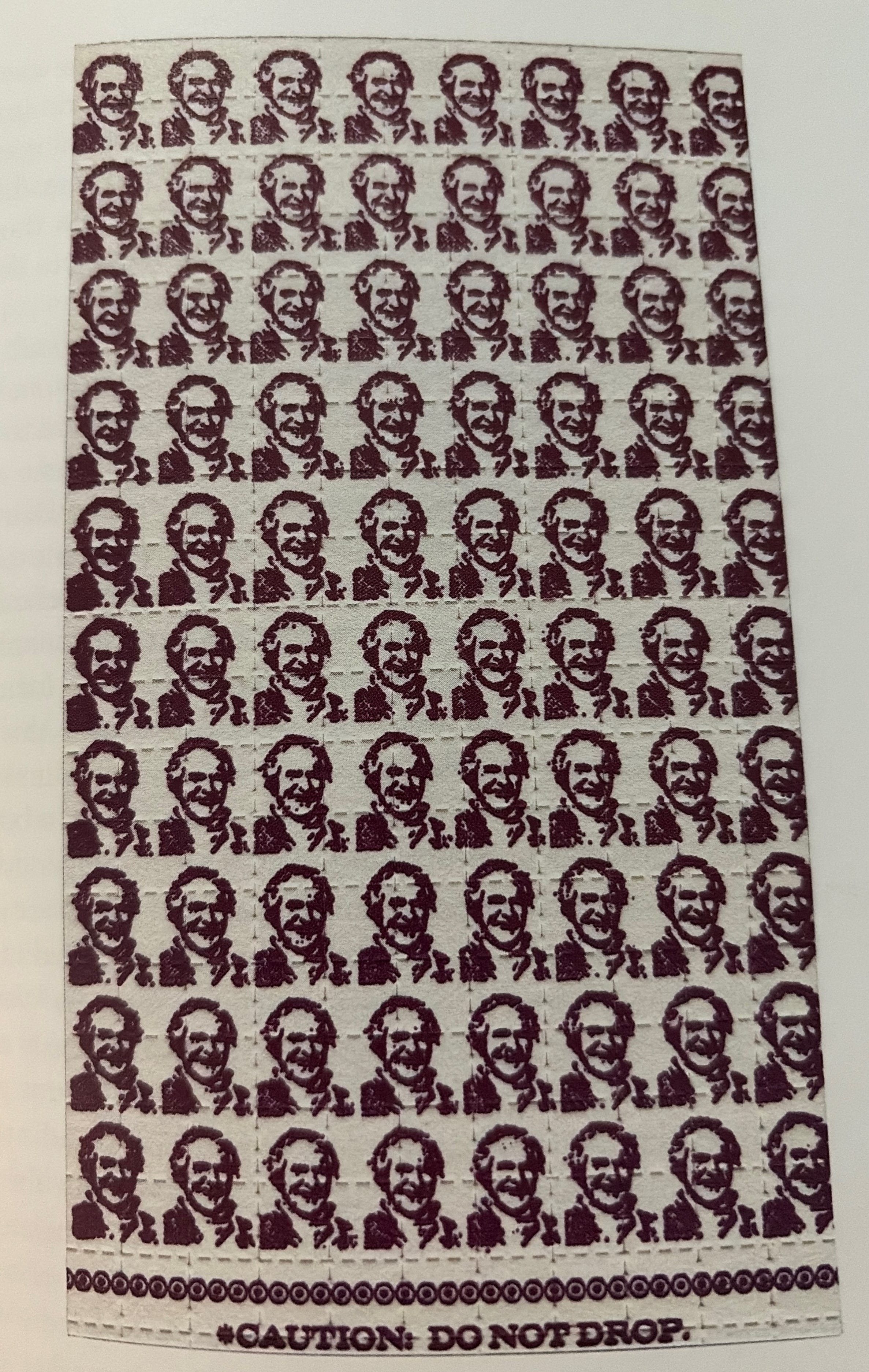
Stewart Brand’s flagship magazine, The Whole Earth Catalog, (for instance) was a bible of DIY hippiedom, advocating for “any available tools.” While some of those tools were about farming and practical homesteading DIY, Eastern spiritualities were often invoked in ways that made them appear both occulted and exoticized.
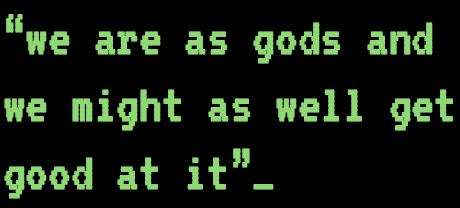
Brand, who later became an important figure in Bay Area tech evangelism, began his first issue with the eerily gnostic statement:
Waves of esotericism found their way into early computing culture and industries.
Jacques Vallée, who co-invented TCP/IP packet sharing protocols at the Stanford Research Institute (where Doug Engelbart was busy inventing his screens and CUT and PASTE) wrote about a secret ARPAnet group known as the “Midnight Irregulars.” According to Vallée, they were an “underground computer group” operating “in the shadows of the network” with dealings in esoterica and magic (as well as drugs, of course) using the network facilities.
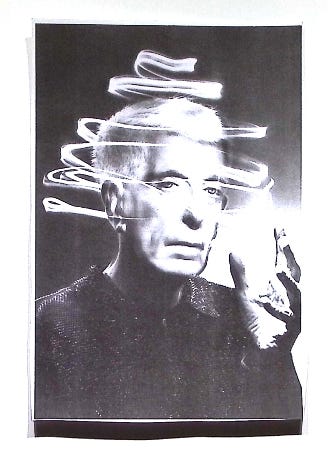
The Midnight Irregulars is a cool reminder that the internet was always positioned to hide subversive practices, even before it was the internet.
This was handy, of course, because all of this was occurring concurrently with the “satanic panic,” when a rash of false accusations culminated in anxieties that young people were being inducted into satanism through pop culture.
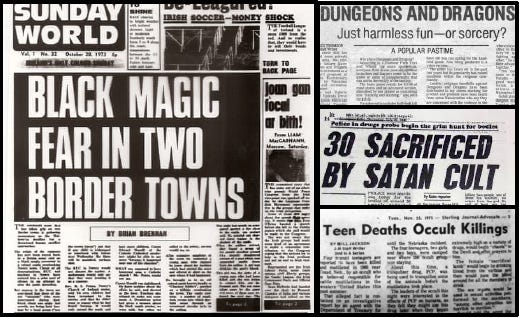
In turn, there was a general desire to keep non-hegemonic spiritual practices—particularly those that gave the appearance of things that could be conflated with Satanism—out of the public eye.
The early internet, with its difficult to navigate systems and technologies, alongside the widespread use of semi-anonymous user handles, was a perfect place to distribute information broadly (yet quietly) in a way that magical texts and discussions had never previously done, at a global level.
Bulletin board systems (BBSs) and Usenet gave primacy to text-based docs creating a glut of occult texts online.
For instance, MagickNet — later PODSnet (the Pagan Occult Distribution Systems Network) — was a network of over 70 esoteric-themed BBSs.
If Adler’s surveys of pagans finding a cozy home within early computer culture and industry were correct then it stands to reason that a disproportionate percentage of early internet users aligned with non-hegemonic spiritual practices, creating a vast network that had not previously been witnessed in occulture.
If “occult” is defined as “that which is hidden” then the internet simultaneously occulted and de-occulted its spiritualist contingent, helping them to anonymize themselves within their practices, but also making previously hidden works more accessible.
By the 1990s, there was a broad umbrella group of practices referred to as “Technopaganism.”
It’s difficult to find a singular experience that characterized the Technopagan ethos of the early-to-mid 90s. In 1995, Erik Davis summarized the movement in a Wired magazine article describing it as:
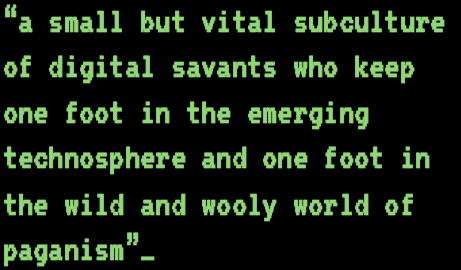
There’s more to it than this. In my book, The Unseen Internet, I spend an entire chapter giving details about how Technopaganism influenced early internet culture.
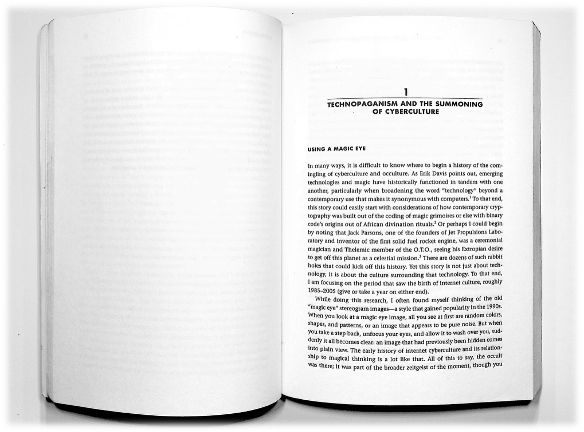
Space does not allow for the granular list. You are just going to have to take my word for it (or, you know, read the book).
But beyond the consensual hallucination of the tech itself, two things set Technopaganism apart from older esoteric traditions.
FIRST, magic became more DIY: a cut and paste of all possible traditions, stirred with science and tech.
Just like the DIY of the Whole Earth Catalog, right? Whatever tools were available.
Like untuned television sets!
Genesis P-Orridge, the lead singer of the industrial band Throbbing Gristle and organizer of the experimental art collective Thee Temple of Psychick Youth, used the electronic fuzz of untuned television sets as scrying tools. They write:
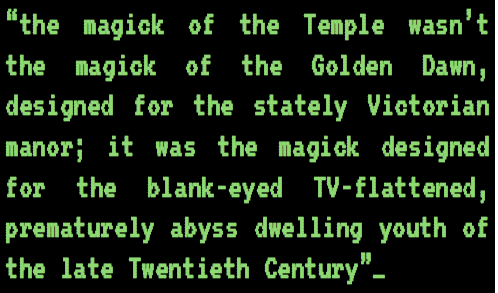
But, SECOND, Technopaganism wasn’t just DIY. It began to sit in conversation with hacker culture.
That word “hack” was first used at MIT in the 50s by the Tech Model Railroad Club, but it wasn’t in the mainstream vernacular until the late 80s.
There are a lot of definitions for “hack” but I’m partial to the one by famed Bay Area Hacker St. Jude Milhon:
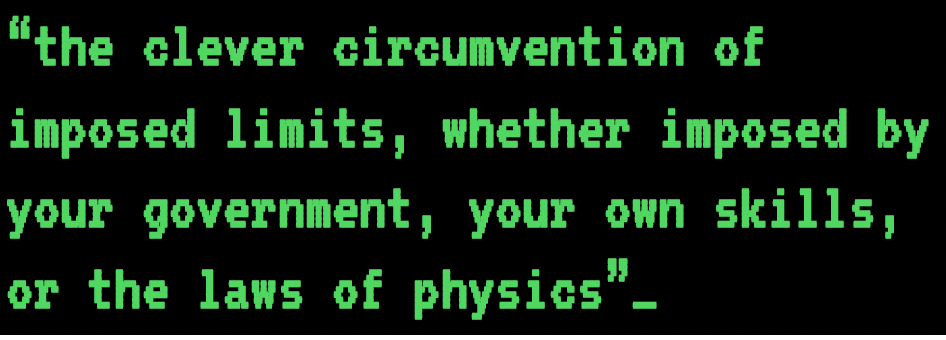
For Technopagans, the transference between magic and hacking was logical. Many started to talk about reality hacking.
Deploying memes was one method of reality hacking. The 90s counterculture generally embraced the idea of memes long before the broader culture did. There was a sense that one could use ideas as mutational viruses to distort, disrupt, and destroy the evil institutions of “monoculture.”
While memes were typically understood as being top down—sent to infect the masses—they could also be bottom up. DIY.
(Twenty years later, magic would be applied to memes, again; this time on 4chan to think about how mutational thought viruses might elect a new president. Memes of an unhappy frog would be CUT and PASTED and CUT and PASTED to try to invoke a new reality.)
Cut. Copy. Paste. Repeat.
And so: This returns us to Queen Mu declaring to a room full of Bay Area tech-adjacent partiers that they were actually Technopagans.
There was no spellcraft here.
No overt witchery.
No satanic panic caricatures of child sacrifice.
Technopaganism wasn’t about the craft. It was about the vibe. It suggested, broadly, that magic was already here, embedded in tech, and it was just about becoming a wizard enough to control it.
Or, (in other words):
act 3: ripped holes
There are a lot of ways to make holes in things.
We punch holes.
We drill.
We dig.
We pierce.
We bore.
We puncture.
We tear and we rip holes.
We can cut something to make a hole.
And paste it to fill the hole.
And then cut it again to remind us of the void of content.

It’s not unlike magic, at least according to Aleister Crowley’s definition:
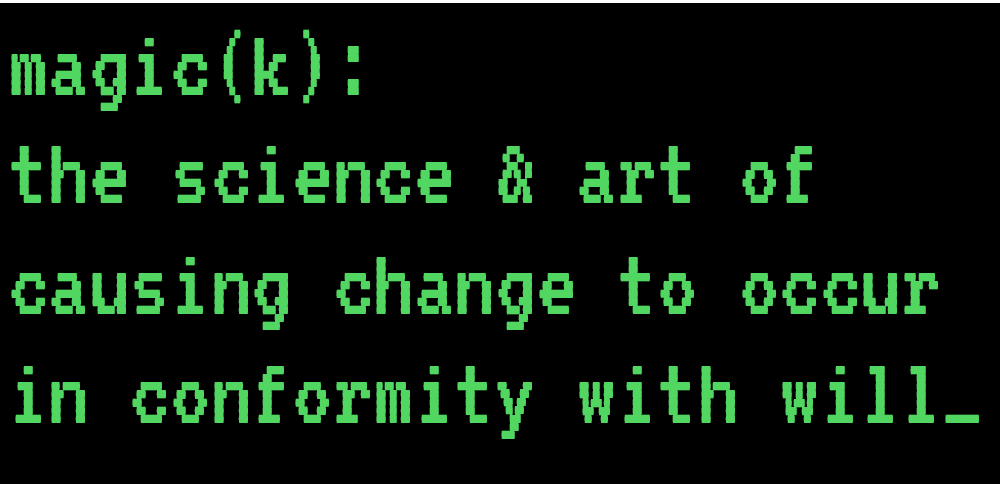
I like Crowley’s definition (though I’m not a fan of the human) because it reaches towards the mundane. His version of “magick” can be invoked both within and beyond the occult to account for things like strange flows of information.
Complex synchronicities.
For instance:
In 1996, a man named Richard Metzger co-founded the Disinformation Company, launching its web site disinfo.com. Disinfo was a combination of irreverent conspiracy theories and overtly occult texts with the slogan “everything you know is wrong.”
For a six-month period, they were a featured site on Netscape Navigator, alongside other heavy hitters such as Lycos, Yahoo, and Hotbot, drawing significant mainstream traffic. During their peak they yielded a metric of roughly 16k visitors per day, impressive for the time. Metzger, a self-described “wicked warlock” hoped to seed our new online spaces, take over the channels of control with mischief.
Dispersing memes from bottom up.
He published an edited collection called The Book of Lies: The Disinfo Guide to Magick and the Occult. It was popular. It sold well. The authors wrote about contemporary magical practices. Popular comic creator Grant Morrison wrote about “pop magic.” Genesis P-Orridge wrote an essay about Burroughs, Gysin, and the cut-up technique.
In addition to the title and subtitle, the book also has a sub-subtitle: in pale text, a parenthetical on the cover page.
“Being an alchemical formula to rip a hole in the fabric of reality.”
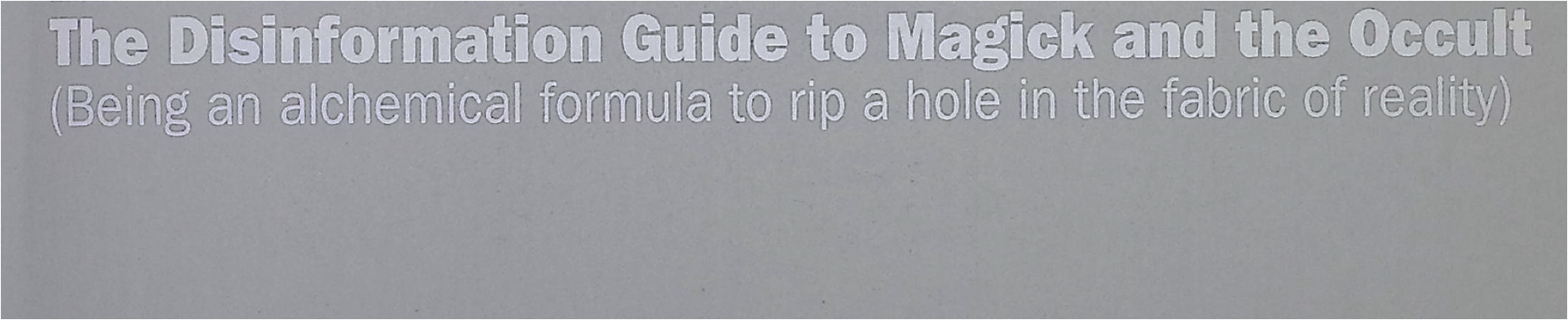
I reached out to Metzger and asked if the line was a spell. He told me yes, that most things he creates contain some sort of magical working, although he quickly added:
“I wouldn’t take it that seriously! It’s just a cool subtitle!”
👀
I don’t know that I believe that Richard Metzger ripped a hole in the fabric of reality. (Though, if we are being really honest here, I’m probably not positive.)
The fabric of reality, after all, is not in fantastic shape at this particular moment.
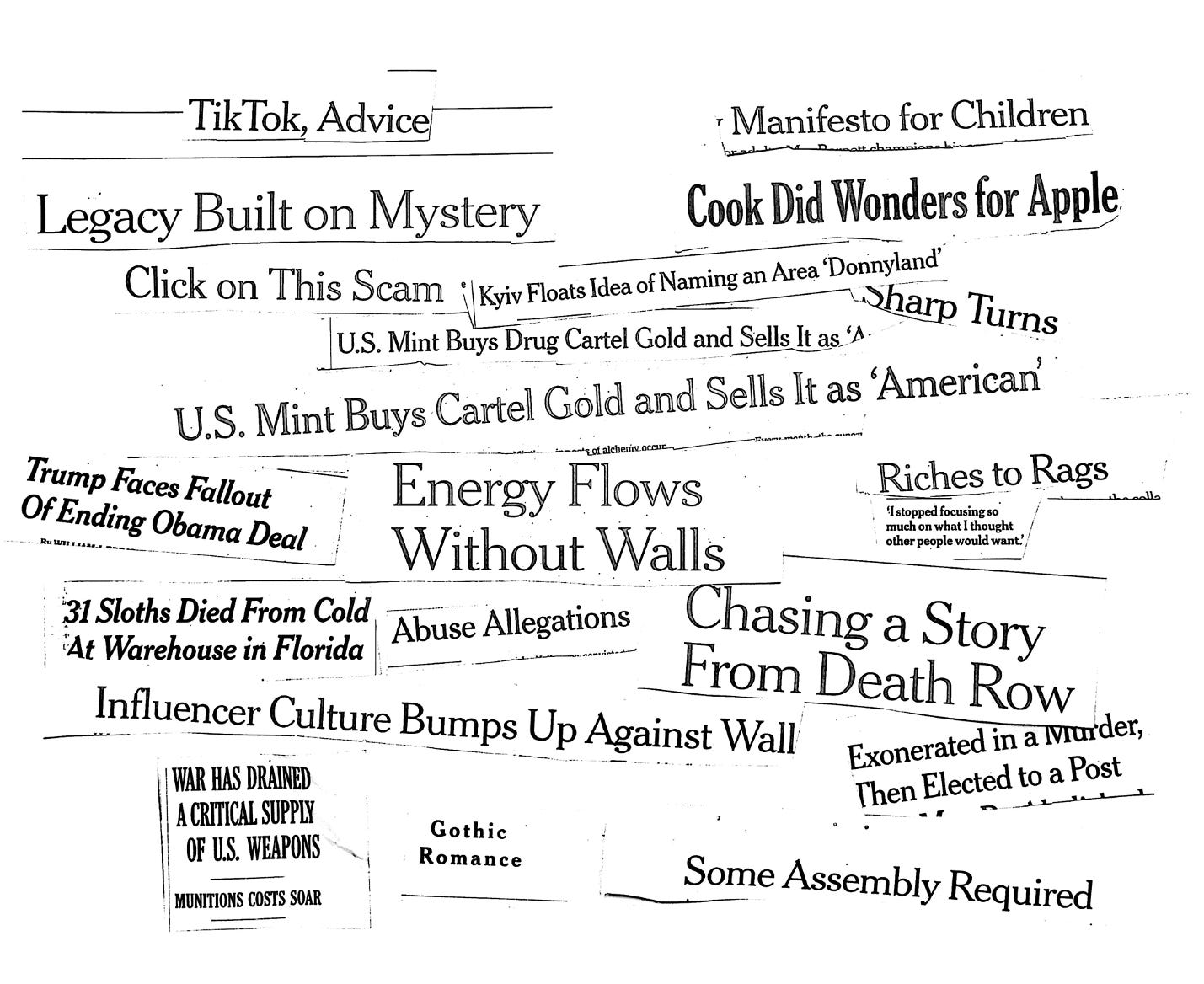
You and I might experience a distinctly different lived notion of reality than
Your neighbor
Your uncle
Your best friend from the 5th grade.
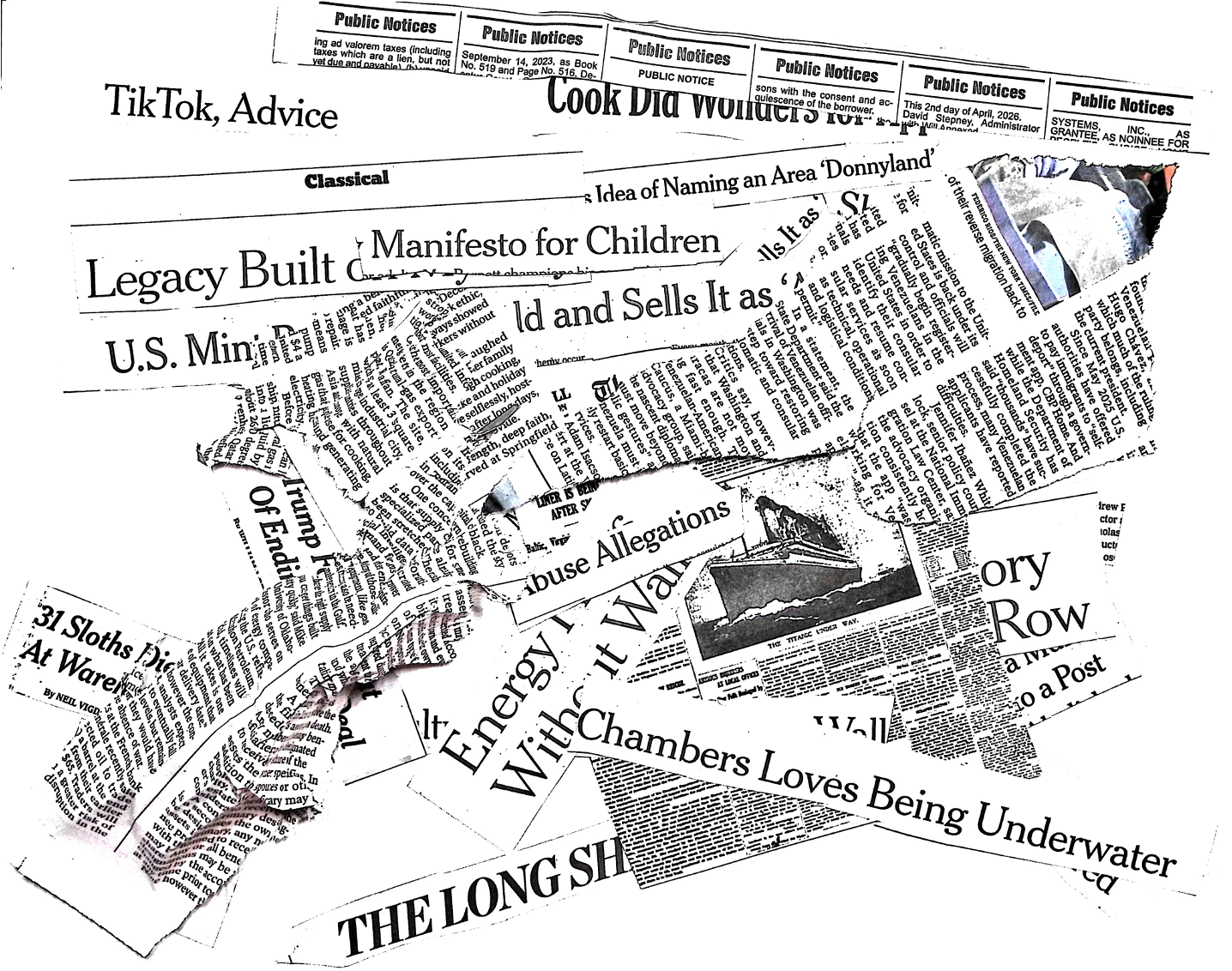
If a hole had been ripped in the fabric of reality, how would we even know?
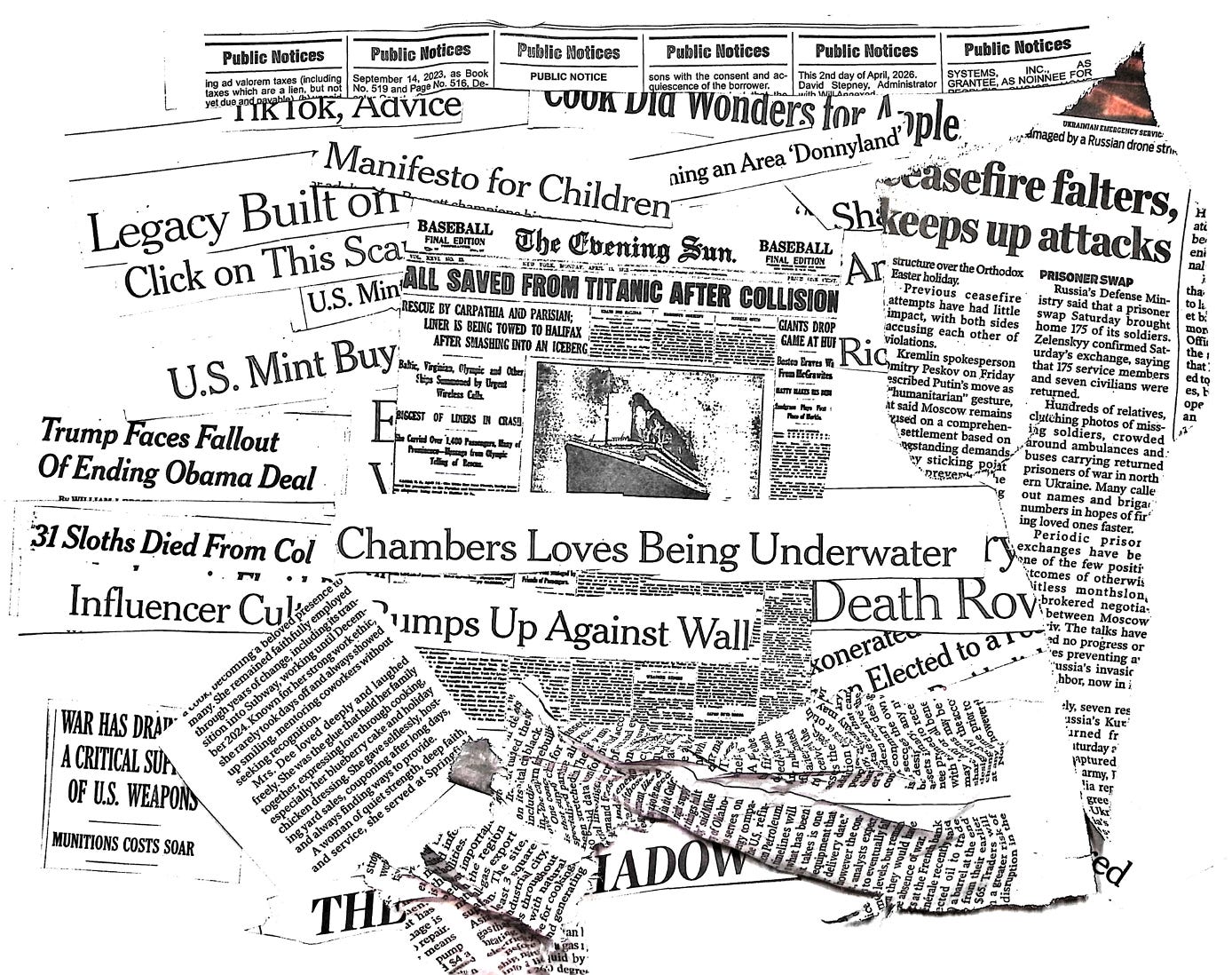
But, anyhow, it’s probably just one of those moments of parallel. Of media communications synchronizing in lock step with mysticism.
Perhaps, this is just like the spiritualist table rapping and the telegraph.
Or, maybe, it’s like Burroughs and Engelbart.
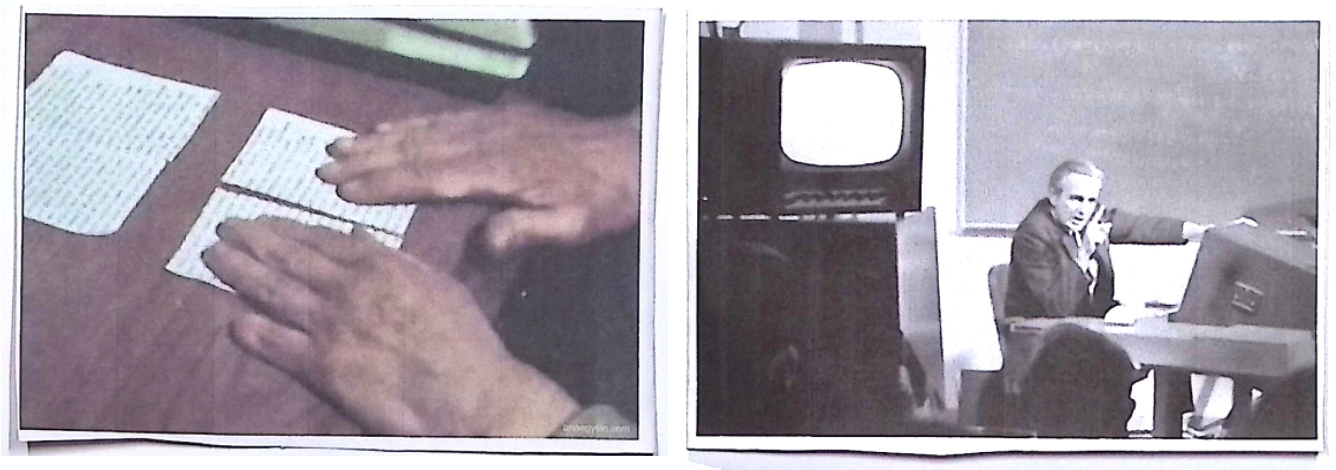
First, Burroughs and Gysin invented the cut-up technique.
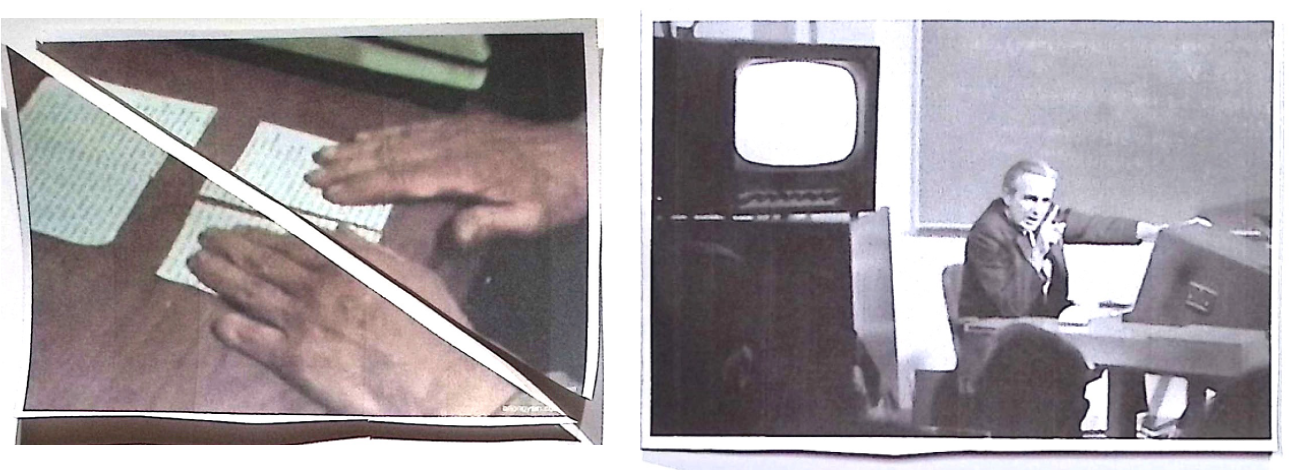
And then Doug Engelbart invented CUT and PASTE.
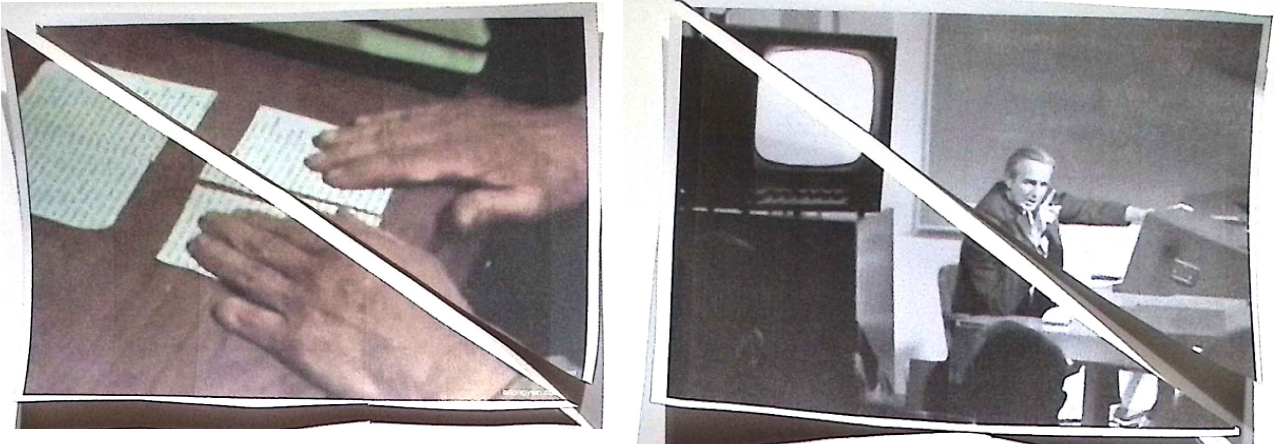
We CUT and PASTED and CUT and PASTED.
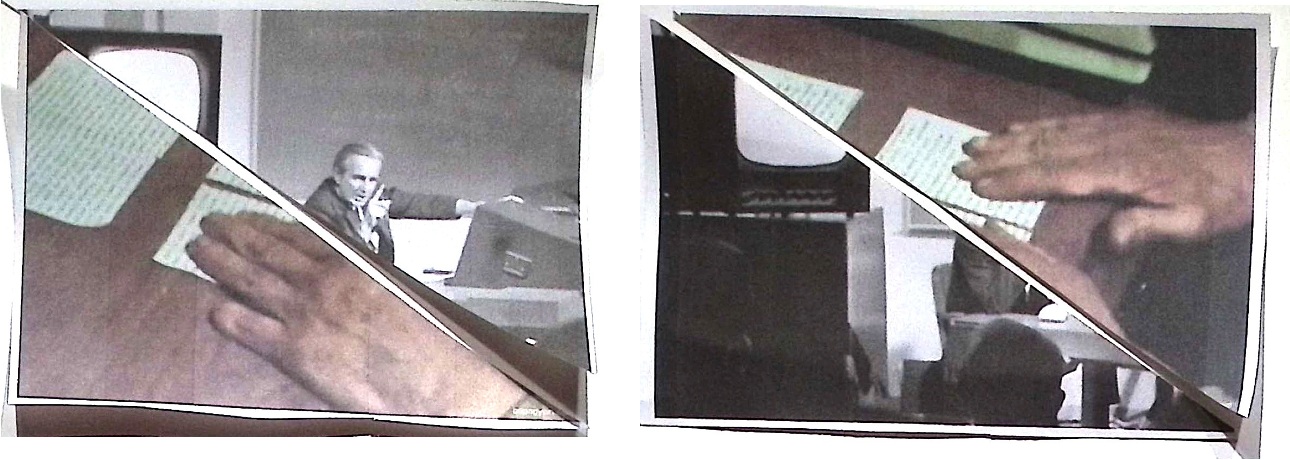
First offline.
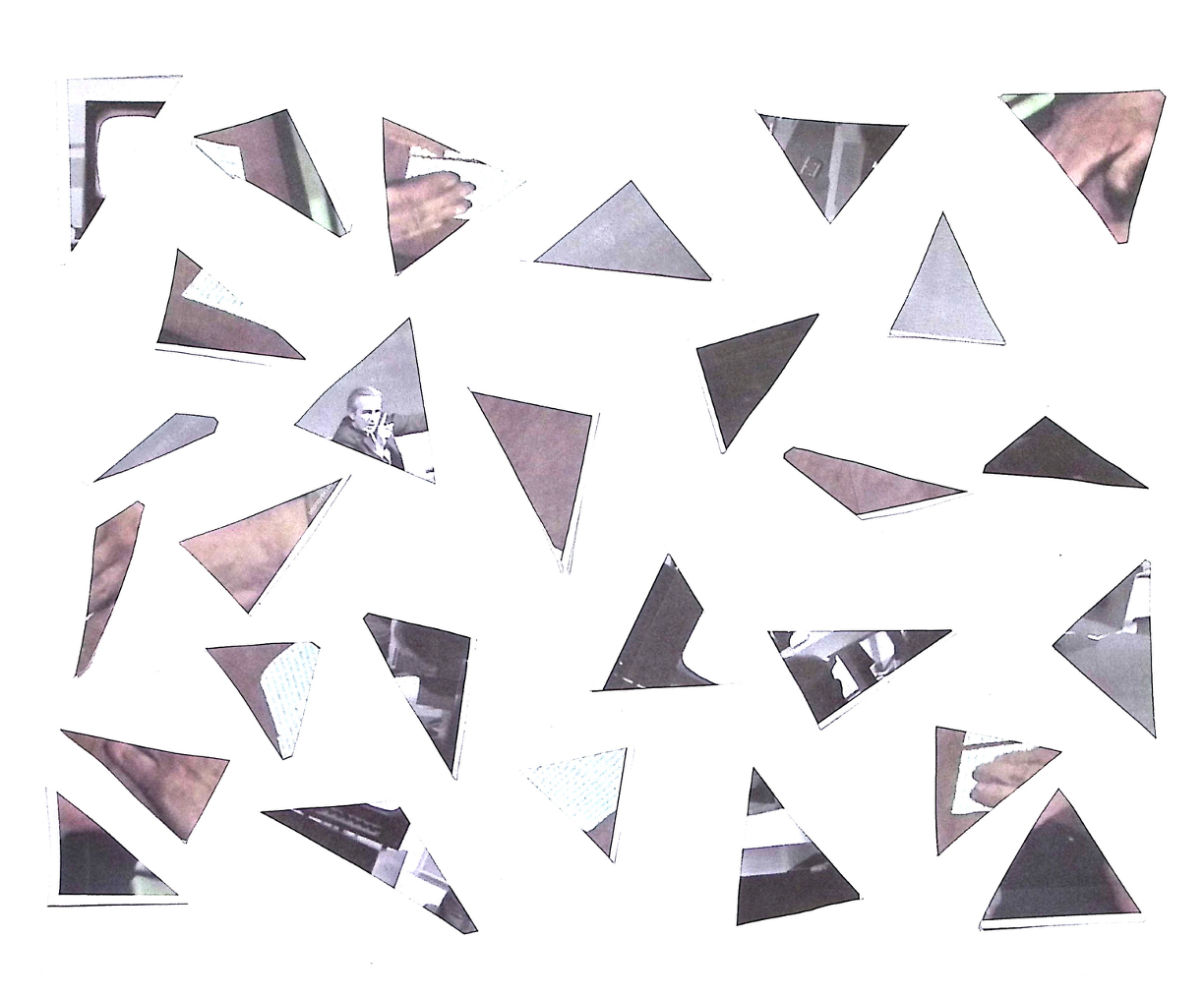
Then online.
Until we stopped being able to tell the difference.
Then we told the screens to start CUTTING and PASTING for us.
And we became what was CUT and what was PASTED.
Cut-up data, everywhere.
Until, finally, a cut turned into a rip.
And a rip turned into a hole.
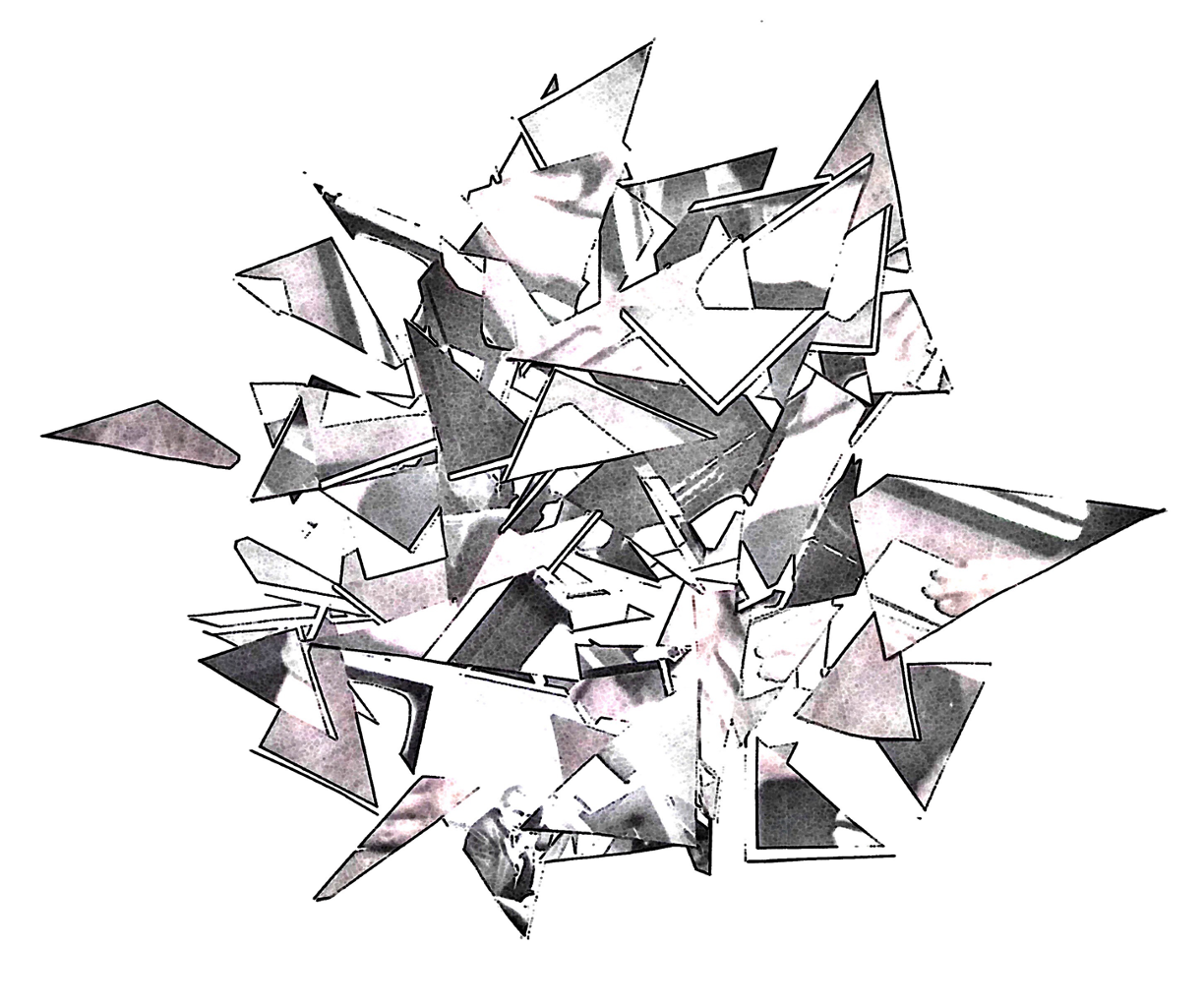
And now, it’s just another case of some accidental magic where the future has leaked out.
Thanks for reading! If you enjoyed this then you will like my essay in The Journal of Cinema & Media Studies which will be open-access and out very soon. (I’ll post when it’s available.) Alternatively, if you enjoyed this you will probably also like my book. -SC
The Burroughs 220, known at the time as “The Beast” was a large-scale vacuum-tube mainframe computer with magnetic core memory that Engelbart used early on for data processing. Before “The Mother of All Demos” he transitioned to the NLS (oN-Line System) which allowed for real-time interaction, a major feature of his 1968 presentation.
See also: John Durham Peters, Speaking into the Air.
For more on the transition from psychedelia to cyberdalia, see Fred Turner’s From Counterculture to Cyberculture or Jon Markoff’s What the Dormouse Said.
Are the writings of an LLM just cutting and pasting in sophisticated, statistical ways?